

Best Newsletter Platforms: Top Picks for 2026 Success
Looking to start or upgrade your newsletter but feeling overwhelmed by the many platforms out there? You’re not alone.
Choosing the right newsletter platform can make all the difference in growing your audience, engaging your readers, and even earning income. Whether you want something simple to get started or a powerful tool packed with features, this guide will help you find the best newsletter platform that fits your unique needs.
Keep reading to discover which options give you the most value, ease of use, and growth potential—so you can focus on creating content your audience will love.
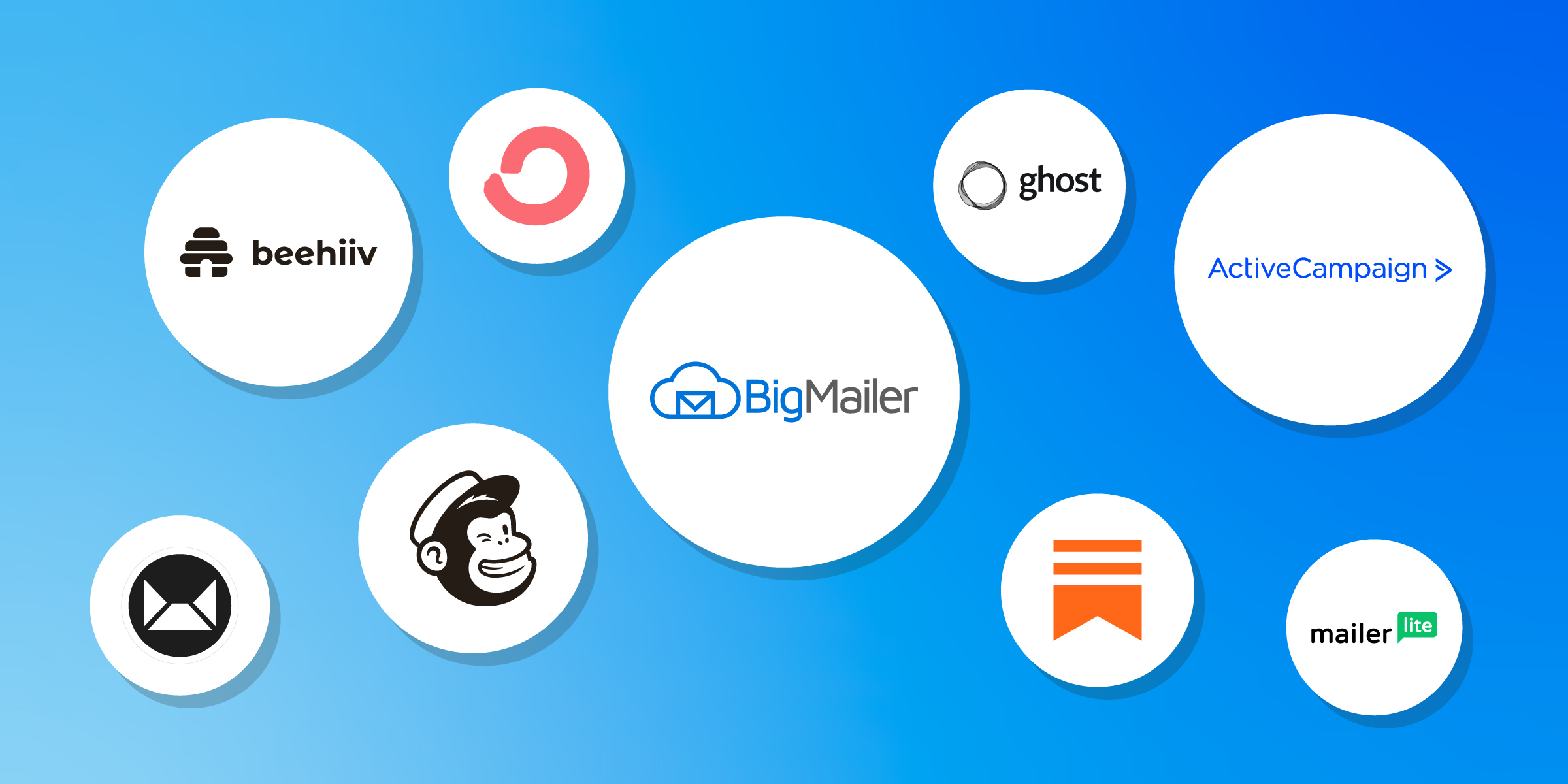
Credit: www.bigmailer.io
Related Article: Newsletter Business: Boost Growth with Proven Strategies
Top Newsletter Platforms
Choosing the right newsletter platform is key to reaching your audience effectively. Each platform offers unique features for different needs. Some focus on growth and monetization, while others prioritize ease of use or automation.
Below are some of the top newsletter platforms. They cater to beginners, creators, writers, e-commerce businesses, and marketers. Understanding their strengths helps you pick the best fit for your goals.
Beehiiv For Growth
Beehiiv focuses on audience growth and monetization. It provides tools to build and engage large subscriber lists. The platform supports paid subscriptions and detailed analytics. This makes it ideal for those who want to scale their newsletters.
Mailerlite For Beginners
MailerLite is easy to use and budget-friendly. It offers a generous free plan with basic features. The simple interface suits users new to email marketing. It also includes automation and landing page options for small businesses.
Convertkit For Creators
ConvertKit is designed for creators and bloggers. It emphasizes landing pages and email automation. The platform helps build an engaged audience with personalized content. ConvertKit also supports selling digital products and memberships.
Substack For Writers
Substack is popular with independent writers. It makes publishing newsletters and managing subscriptions simple. Writers can charge readers directly. The focus is on content creation without complex marketing tools.
Omnisend For E-commerce
Omnisend integrates well with e-commerce platforms like Shopify. It offers powerful automation for sales and promotions. The platform supports SMS and email campaigns to increase conversions. It suits online stores seeking multi-channel marketing.
Mailchimp For Starters
Mailchimp is a widely used platform for beginners. It provides easy-to-use email templates and basic automation. The free plan covers small audiences, making it good for startups. Mailchimp also offers simple analytics and audience segmentation.
Activecampaign For Automation
ActiveCampaign excels in advanced marketing automation. It combines email marketing, CRM, and sales tools. The platform allows detailed customer journey mapping. Businesses use it to create personalized campaigns at scale.

Credit: www.growthcurrency.net
Platforms By Use Case
Choosing the right newsletter platform depends on specific needs. Different platforms serve different purposes. Some focus on growing your audience. Others fit tight budgets. Some work best for online stores. Writers and small businesses also find tailored options. This section explores top platforms by use case to help you decide.
Audience Building Tools
Platforms like Beehiiv and ConvertKit excel at growing audiences. They offer easy signup forms and automation. These tools help capture emails and engage readers. You can create landing pages to attract subscribers. Automation sends personalized emails to keep people interested. Great for bloggers and creators who want steady growth.
Budget-friendly Options
MailerLite stands out with a generous free plan. It allows beginners to start without spending much. The interface is simple and easy to use. You get essential features like templates and automation. Perfect for those with limited funds or new to newsletters. It balances cost and functionality well.
E-commerce Integration
Omnisend and Klaviyo work well with online stores. They connect smoothly with platforms like Shopify. These tools enable targeted campaigns based on shopping behavior. You can send product recommendations and cart reminders. Great for increasing sales through email marketing. They support automation to save time and boost revenue.
Independent Publishing
Substack is popular among independent writers and journalists. It offers a simple way to publish and monetize newsletters. Writers can set subscription prices for exclusive content. The platform handles payments and distribution. Ideal for creators who want direct support from readers. It focuses on ease of use and independence.
Small Business Solutions
Constant Contact and Brevo (Sendinblue) serve small businesses well. They provide all-in-one marketing tools, including email, SMS, and social media. The platforms offer templates suited for business promotions. You can track campaign performance with clear reports. These solutions help small companies connect with customers effectively.
Features To Compare
Choosing the right newsletter platform means comparing key features closely. Each platform offers different tools that affect your newsletter’s success. Focus on what matters most for your goals and audience. This guide covers essential features to compare for a smart choice.
Monetization Capabilities
Look for platforms that support paid subscriptions easily. Some allow direct payments within newsletters. Others offer affiliate marketing options or sponsor integration. Check if the platform provides analytics to track earnings. Monetization tools help turn your newsletter into a revenue source.
Ease Of Use
Simple interfaces save time and reduce frustration. Platforms with drag-and-drop editors make content creation quick. Easy subscriber management is important for list growth. Look for clear dashboards and helpful tutorials. A smooth user experience keeps you focused on content.
Automation And Crm
Automation saves effort by scheduling emails and sending triggers. CRM features manage subscriber data and segment audiences. Good automation allows personalized messages for better engagement. Check if the platform supports integrations with other tools. These features improve efficiency and subscriber relations.
Design And Customization
Newsletter templates should be attractive and mobile-friendly. Customization options let you match your brand style. Look for easy editing of colors, fonts, and layouts. Some platforms allow adding images, videos, and buttons. A professional design helps capture and keep readers’ attention.
Pricing Models
Compare free plans and paid tiers carefully. Some platforms charge by subscriber count or email volume. Others offer flat monthly fees or pay-as-you-go options. Check for hidden costs like extra features or support. Choose a pricing model that fits your budget and growth plans.
Choosing The Right Platform
Choosing the right newsletter platform is key to your success. The best platform fits your needs and goals. It should be easy to use and help you reach your audience effectively.
Consider what matters most. Is it a simple setup, growth tools, e-commerce features, or cost? Each platform offers different strengths. This guide helps you find the best match.
Starting Simple
Start with a platform that is easy to use. Look for simple design tools and basic automation. A clean interface saves time. MailerLite and Substack are great choices for beginners. They offer free plans and straightforward features.
Focusing On Growth
Choose platforms with strong growth tools. Email list building and audience monetization are key. Beehiiv and ConvertKit provide useful analytics and automation. These help you engage readers and grow your list faster.
Prioritizing E-commerce
Pick a platform that integrates with your online store. It should support product promotions and abandoned cart emails. Omnisend and Klaviyo work well with Shopify. They boost sales by targeting customers effectively.
Balancing Cost And Features
Find a platform that fits your budget and needs. Some offer free plans with limited features. Others charge for advanced tools. Compare pricing and what you get. Mailchimp is popular for beginners with flexible plans.
Popular Alternatives To Mailchimp
Many businesses and creators seek reliable newsletter platforms beyond Mailchimp. These alternatives offer various features to fit different needs and budgets. Choosing the right platform can enhance your email marketing efforts effectively.
Here are some popular alternatives that provide strong email marketing tools and easy-to-use interfaces.
HubSpot Marketing Hub
HubSpot Marketing Hub integrates email marketing with CRM tools. It helps manage contacts and track campaign performance. The platform offers automation, templates, and analytics to improve email strategy.
Adobe Marketo Engage
Adobe Marketo Engage suits businesses needing advanced marketing automation. It supports personalized campaigns and lead management. The platform connects with multiple channels for a unified marketing approach.
Twilio Marketing Campaigns
Twilio Marketing Campaigns focuses on multi-channel messaging. It allows email, SMS, and push notifications from one platform. The tool is flexible and scalable for growing businesses.
Constant Contact
Constant Contact is ideal for small businesses and beginners. It provides easy drag-and-drop email builders and helpful templates. The platform also offers event marketing and social media tools.
Brevo Marketing Platform
Brevo, formerly Sendinblue, offers simple email marketing and SMS campaigns. It features marketing automation and CRM integration. The platform supports transactional emails and detailed reporting.
Newsletter Vs Substack
Choosing between a traditional newsletter platform and Substack depends on your goals and style. Both offer ways to share content directly with readers. Yet, their features and focus differ significantly. Understanding these differences helps pick the right tool for your needs.
Content Delivery Styles
Newsletter platforms often provide flexible design tools. You can create emails with custom layouts and branding. They support multimedia like images and videos easily. Substack focuses on simple, text-based posts. It resembles blog posts sent via email. This approach suits writers who want straightforward content delivery without complex design.
Community Interaction
Traditional newsletter services offer basic interaction through comments or surveys. Some integrate with social media for broader engagement. Substack builds community by allowing readers to comment directly under posts. It also supports discussions through paid memberships. This feature helps writers connect closely with their audience.
Monetization Options
Most newsletter platforms support various monetization methods. These include ads, sponsorships, and premium content access. Substack primarily uses a subscription model. Writers can charge readers monthly or yearly. This model suits those seeking a steady income from loyal followers. Other platforms may require more setup for payments.
Use Cases Comparison
Newsletter platforms work well for businesses and marketers. They help promote products, share updates, and nurture leads. Substack is ideal for independent writers and journalists. It supports long-form writing and paid subscriptions. Both tools serve different purposes but aim to grow and engage audiences effectively.

Credit: www.getresponse.com
Conclusion
Choosing the right newsletter platform can boost your communication efforts. Each platform offers unique features for different needs. Consider ease of use, budget, and your goals carefully. Simple tools suit beginners, while advanced options help marketers grow. Focus on what fits your style and audience best.
Test a few platforms to find your perfect match. Consistent newsletters build trust and keep readers engaged. Start small, learn, and improve over time for success.
Related Article: E Book Business: Proven Strategies to Boost Your Sales Fast






One Comment
Pingback: