

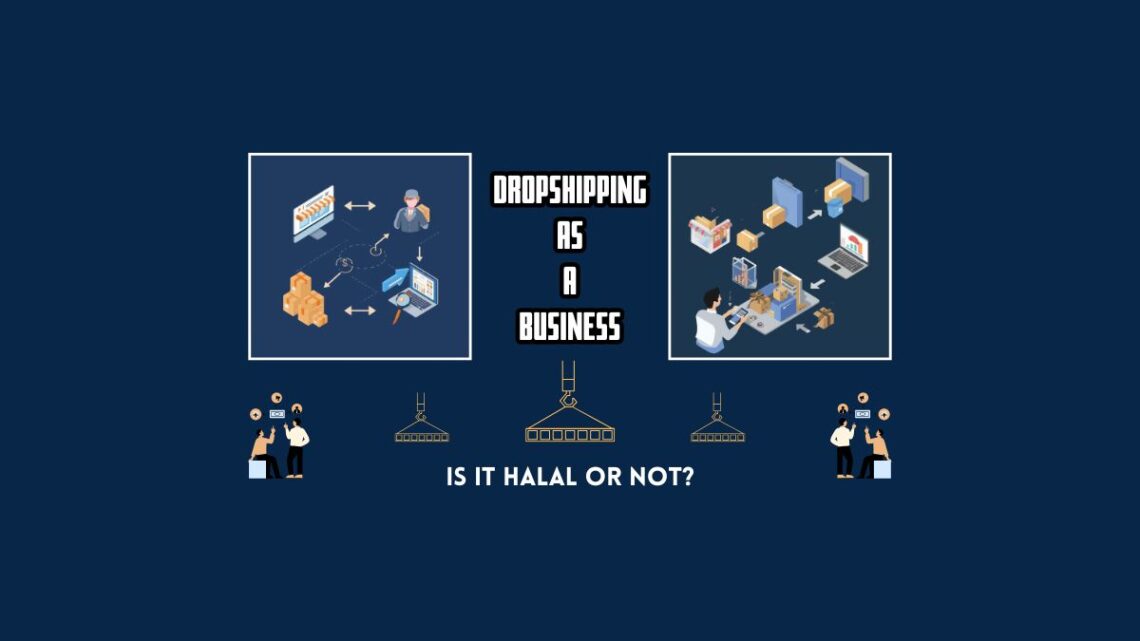
Dropshipping as a Business: Is It Halal or Not?
Are you curious whether dropshipping is a halal way to do business? If you’re considering starting a dropshipping store but worry about its religious and ethical implications, you’re not alone.
Many wonder if selling products you don’t physically own or hold aligns with Islamic principles. This question matters because your business choices should reflect your values. You’ll discover clear insights into what makes dropshipping halal or haram. You’ll learn practical steps to keep your business ethical and compliant with Islamic teachings.
Keep reading to find out how you can succeed in dropshipping without compromising your faith.
Related Article: Proven Side Hustle Strategies: Unlock Financial Freedom Fast
Basics Of Dropshipping
Dropshipping is a popular business method in online retail. It lets sellers offer products without keeping stock. This lowers the cost and risk of starting a store.
Understanding dropshipping basics helps decide if it fits your goals and values. The model involves several key parts working together smoothly.
How Dropshipping Works
Dropshipping starts when a customer places an order on the seller’s website. The seller then forwards this order to a supplier. The supplier ships the product directly to the customer. Sellers never handle the product themselves. This process saves time and money on storage and shipping.
Roles Of Seller And Supplier
The seller acts as the store owner and customer contact. They list products, set prices, and take orders. The supplier holds the inventory and ships products. The supplier also manages packaging and delivery. Both must communicate well to keep customers happy.
Common Dropshipping Models
One model is single supplier dropshipping, where the seller works with one supplier. This keeps things simple but limits product variety. Another is multiple supplier dropshipping, which offers more products but needs more coordination. Some sellers use print-on-demand dropshipping to customize products on order. Each model has pros and cons for sellers to consider.
Islamic Business Principles
Islamic business principles guide how trade and commerce should be conducted. These principles aim to ensure fairness, honesty, and respect for all parties involved. Islamic teachings emphasize ethical behavior and the welfare of society. Business activities must align with the values outlined in the Quran and Sunnah.
Understanding these principles helps in assessing modern business models like dropshipping. It is important to consider if such models comply with Islamic rules. The following sections highlight key ideas in halal trade and commerce.
Key Concepts In Halal Trade
Halal trade means business that is permissible under Islamic law. It requires products and services to be lawful and clean. The trade must avoid anything harmful or forbidden. Profit is allowed but should be earned fairly. Both buyer and seller must gain clear benefits. Trust and honesty are crucial in all transactions.
Prohibitions In Islamic Commerce
Islamic law forbids certain elements in business. Interest (riba) is strictly prohibited. Gambling and uncertainty (gharar) must be avoided. Selling forbidden items like alcohol or pork is not allowed. Deception or fraud invalidates any trade. Contracts must be free from ambiguity. These rules protect individuals and society from harm.
Importance Of Transparency And Consent
Transparency means sharing all relevant information openly. This helps avoid misunderstandings between buyer and seller. Consent means both parties agree freely to the terms. Hidden costs or unclear descriptions violate Islamic ethics. Full disclosure builds trust and fairness. Consent must be given without pressure or deception. These principles are vital in modern business transactions.
Halal Concerns In Dropshipping
Dropshipping raises important halal concerns in Islamic finance. Understanding these issues helps decide if this business fits Islamic rules. The main worries focus on ownership, disclosure, and risks involved in selling products without physical possession.
Ownership And Possession Issues
In dropshipping, the seller often does not own or possess the product. This situation can conflict with Islamic law, which requires ownership before selling. Selling items without having them in hand may lead to uncertainty. This uncertainty is a key reason scholars question dropshipping’s halal status.
Disclosure To The Customer
Customers should know who is responsible for their orders. Transparency is crucial in halal business practices. Sellers must clearly inform buyers that they are middlemen, not direct owners. Hiding this information can cause mistrust and make the transaction questionable under Islamic principles.
Risk And Liability In Transactions
Risk sharing is vital in Islamic trade. Dropshipping sellers face unclear risks since they do not handle the product. If a product is lost or damaged, responsibility is unclear. This lack of clear liability creates problems with halal trading rules, where risk must be fairly shared.
Views Of Islamic Scholars
Islamic scholars have diverse views on dropshipping as a business model. Their opinions focus on whether this practice aligns with Islamic principles. These views help Muslims decide if dropshipping is halal or not.
Some scholars approve dropshipping under certain conditions. Others highlight concerns that may make it impermissible. Exploring these opinions clarifies the topic for anyone interested.
Opinions Supporting Halal Dropshipping
Many scholars say dropshipping can be halal if done correctly. They emphasize honesty with the customer about product ownership. The seller should not claim to own the product if they do not.
Some scholars advise acting as an agent. The dropshipper earns a commission for connecting buyers and suppliers. This approach avoids selling products that are not physically possessed.
Transparency and fair pricing are key factors. If the buyer is informed and agrees, the transaction is valid. The contract must follow Islamic rules on sales and trade.
Arguments Against Dropshipping
Some scholars argue dropshipping is haram due to uncertainty. They focus on the risk of selling items not owned or possessed. This can lead to a form of gambling or deceit, which Islam forbids.
Others mention the delay in delivery and lack of control over the product. This may cause harm or dissatisfaction to the buyer. Such issues violate the Islamic principle of fulfilling contracts sincerely.
Many worry about the mixing of halal and haram elements. If the supplier deals in forbidden goods, the dropshipper may unknowingly sell haram items. This risk makes some scholars cautious about dropshipping.
Conditions To Make Dropshipping Permissible
The dropshipper must disclose they do not own the product. The buyer should know the seller acts as a middleman. This honesty removes any suspicion of deception.
The product must be halal and free from any harm or defect. The seller should guarantee delivery within a reasonable time. Clear communication about shipping and returns is essential.
Payments should be immediate or agreed upon without delay. The contract must avoid uncertainty and ambiguity. Following these rules helps dropshipping meet Islamic standards.
Making Dropshipping Halal
Dropshipping raises questions about its halal status in Islamic business. Making dropshipping halal requires careful steps. These steps help ensure the business follows Islamic principles. Understanding the right approach can make dropshipping acceptable.
Acting As An Agent Vs Reseller
In halal dropshipping, act as an agent, not a reseller. You do not own the product. Instead, you connect the buyer and seller. Acting as an agent avoids selling what you don’t possess. This method respects Islamic rules on ownership and trade.
Earning Commission Instead Of Selling
Earn money through commissions, not direct sales. You get paid for services like marketing or arranging sales. This approach makes your income halal. It avoids uncertainty and risk tied to owning goods. Commission-based earnings align with Islamic commerce ethics.
Ensuring Full Transparency
Be honest with customers about your role. Clearly state you are an agent, not the product owner. Transparency builds trust and removes deception. Customers should know who fulfills the order. This openness is essential for halal business practice.
Ethical Practices For Muslim Entrepreneurs
Muslim entrepreneurs must follow ethical practices to keep their businesses halal. This means running dropshipping with honesty and fairness. Ethical conduct builds trust and respects Islamic principles. It also supports long-term success and peace of mind.
Honest Advertising And Marketing
Always describe products truthfully. Avoid exaggeration or false claims. Clear information helps customers make informed choices. Marketing must not mislead or confuse buyers. Transparency shows respect for the customer’s right to know.
Customer Rights And Satisfaction
Respect the customer’s right to fair treatment. Provide accurate delivery times and refund policies. Address complaints quickly and politely. Keeping customers happy reflects Islamic values of kindness and justice. Satisfied customers return and recommend your business.
Avoiding Deceptive Practices
Never hide defects or charge hidden fees. Do not sell goods you do not have or control. Acting as a reliable middleman avoids deceit. Always disclose your role honestly to customers. Avoiding fraud keeps your business halal and trustworthy.
Alternatives To Dropshipping
Exploring alternatives to dropshipping can help you find a business model that fits your values. Each option offers different ways to sell products online. These choices may align better with halal principles, depending on how they are handled. Understanding these alternatives can guide you to start a business with confidence.
Traditional E-commerce Models
Traditional e-commerce involves owning the products you sell. You buy stock upfront and ship orders yourself. This model offers full control over product quality and delivery. It avoids concerns about selling items you do not own. Many find this approach clearer in terms of halal compliance.
Affiliate Marketing
Affiliate marketing lets you earn commission by promoting others’ products. You do not handle stock or shipping. This reduces risk and simplifies operations. Your role is to connect buyers with sellers honestly. This method can be halal if transparency is maintained and no false claims are made.
Direct Product Ownership
Owning products means you have physical control over your inventory. You can inspect, store, and ship items yourself. This direct ownership builds trust with customers. It also ensures that sales are based on actual goods you possess. This model aligns well with Islamic business ethics.
Credit: www.wholesale2b.com
Practical Tips For Halal Dropshipping
Starting a dropshipping business that aligns with halal principles requires care and attention. Practical steps help maintain honesty and fairness throughout the process. These tips support both your business success and religious values.
Choosing Reliable Suppliers
Select suppliers who provide genuine products and clear information. Avoid those who sell forbidden or doubtful items. Ensure the supplier can deliver on time and handle returns properly. This builds trust and prevents disputes with customers.
Clear Communication With Customers
Be honest about your role as a middleman. Inform customers if you do not stock items yourself. Share accurate product details and delivery times. Transparency reduces misunderstandings and respects customers’ rights.
Consulting Knowledgeable Scholars
Seek guidance from scholars familiar with Islamic business ethics. Ask about specific practices in dropshipping. Their advice helps you avoid doubtful matters. This keeps your business within halal boundaries and gives you peace of mind.
Frequently Asked Questions
Can Muslims Do Dropshipping?
Muslims can do dropshipping if they act as agents earning commissions and ensure transparency with customers. Ethical practice makes it halal.
Can I Make $10,000 Per Month Dropshipping?
Yes, you can make $10,000 per month dropshipping with the right products, marketing, and consistent effort. Success requires patience and smart strategies.
Is $1000 Enough To Start Dropshipping?
Yes, $1000 can start dropshipping. Use funds for product sourcing, marketing, and website setup to grow your business effectively.
Is Shopify Halal In Islam?
Shopify itself is a platform and is halal in Islam. Selling products via Shopify is halal if transactions are honest, transparent, and avoid prohibited items or practices. Ensure compliance with Islamic principles, such as avoiding interest, fraud, and selling halal products only.
Conclusion
Dropshipping’s halal status depends on how you run the business. Transparency with customers matters a lot. Acting as a middleman without owning products can be problematic. Some scholars say earning commission as an agent is allowed. Always seek advice from a trusted Islamic scholar.
Ethical practices keep your business aligned with Islamic principles. Clear communication and honesty protect you and your customers. This approach helps maintain a halal dropshipping model. Your choices shape the business’s permissibility in Islam.smart choices, dropshipping can be a steady income source. Keep adapting and stay focused to make the most of this model.
Related Article: The Best Digital Marketing Tips for Beginners: Elevate Your Strategy!







One Comment
Pingback: