

AI Revolutions – How Artificial Intelligence Is Transforming the World
Imagine a world where machines don’t just follow instructions but actually think, learn, and create like humans. This is not science fiction—it’s the reality of the AI revolution.
You might wonder how this rapid change affects your daily life, your work, or your future. The AI revolution is reshaping everything—from how businesses run to how you interact with technology every day. If you want to understand what’s driving this transformation and how to stay ahead, keep reading.
This article will break down the key changes AI brings, why it matters to you, and what opportunities and challenges lie ahead. Don’t miss out on discovering how the AI revolution can impact your world.
Related Article: Earn Money With AI: Unlock Lucrative Opportunities Now!
Related Article: Best AI Tools for Email Marketing: Boost Your Campaigns Fast
Ai Revolution Origins
The AI revolution began decades ago with early computer science breakthroughs. Researchers dreamed of machines that could think and learn like humans.
In the 1950s, pioneers laid the foundation of artificial intelligence. They created programs that could solve simple problems and play games.
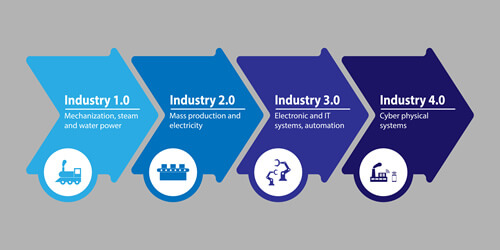
Over time, AI moved from theory to practice. Advances in computing power and data availability fueled rapid progress.
The Early Days Of AI
The first AI programs focused on logic and rules. Scientists built systems that could prove mathematical theorems and solve puzzles.
These early efforts showed machines could perform tasks needing human-like reasoning. Yet, progress was slow and limited by hardware.
Machine Learning Emerges
In the 1980s and 1990s, machine learning gained attention. Instead of coding rules, computers learned from data patterns.
This shift allowed AI to improve automatically. Algorithms could recognize speech, images, and text better than before.
The Rise Of Big Data And Computing Power
The 21st century brought massive data growth and stronger computers. These resources made AI more practical and powerful.
Deep learning, a subset of machine learning, enabled new capabilities. Complex neural networks could now analyze vast amounts of information.
AI started impacting industries like healthcare, finance, and transportation. Machines became tools that enhance human work and daily life.
Credit: www.ocucon.com
Core AI Technologies
The core AI technologies form the foundation of the current AI revolution. These technologies enable machines to perform tasks that require human intelligence. They help computers learn, reason, and make decisions independently.
Understanding these core technologies gives insight into how AI impacts many industries. Each technology plays a unique role in driving AI advancements.
Machine Learning
Machine learning teaches computers to learn from data. It uses algorithms to find patterns and improve over time. This technology powers many AI applications like speech recognition and recommendation systems.
Natural Language Processing
Natural language processing allows computers to understand and generate human language. It helps AI systems read, interpret, and respond to text or speech. This technology is behind chatbots and virtual assistants.
Computer Vision
Computer vision enables machines to see and interpret visual information. It processes images and videos to identify objects, faces, or actions. This technology supports self-driving cars and medical imaging tools.
Deep Learning
Deep learning uses neural networks to mimic the human brain’s structure. It handles complex tasks by processing large amounts of data through multiple layers. This method improves accuracy in speech, image, and text recognition.
Robotics
Robotics combines AI with physical machines to perform tasks automatically. Robots use sensors and AI to navigate and interact with their environment. They are used in manufacturing, healthcare, and exploration.
Intelligent Automation
Intelligent automation combines artificial intelligence with automation tools. It enables machines to perform tasks that need human thinking. This technology changes how businesses operate and solve problems.
It helps reduce errors and speeds up processes. Companies save time and money by automating repetitive work. Intelligent automation improves quality and consistency in many industries.
What Is Intelligent Automation?
Intelligent automation uses AI to control machines and software. It can learn from data and make decisions. This allows systems to handle complex tasks without human help.
Examples include chatbots answering questions and software fixing errors automatically. Machines can also analyze information to find patterns or predict outcomes.
Benefits Of Intelligent Automation
It increases efficiency by automating routine jobs. Employees can focus on creative and strategic work. This leads to higher productivity and better results.
Automation also reduces mistakes and improves service quality. Businesses can handle more work with fewer resources. This supports growth and innovation.
Applications Across Industries
Intelligent automation works in many fields such as healthcare, finance, and manufacturing. In healthcare, it helps diagnose diseases faster. Banks use it to detect fraud and process loans quickly.
Manufacturers rely on automation for quality control and supply management. These applications improve safety, speed, and accuracy in daily operations.
Generative AI Breakthroughs
Generative AI breakthroughs have reshaped how machines create content. These advances allow computers to produce text, images, and music that feel natural and original. Such technology impacts many fields, from writing and design to education and entertainment.
Generative AI models learn from vast amounts of data. They then create new content by understanding patterns and context. This makes AI a powerful tool for creative tasks and problem-solving.
Understanding Generative AI
Generative AI uses algorithms to generate new data based on existing examples. It can write stories, compose music, or design images without direct human input. This ability helps automate creative processes and supports human creativity.
Popular Generative AI Models
Models like GPT, DALL-E, and Stable Diffusion lead the field. GPT focuses on generating text, while DALL-E creates images from descriptions. These models improve continually, becoming more accurate and versatile.
Applications In Everyday Life
Generative AI assists in writing emails, designing graphics, and generating code snippets. Businesses use it to create marketing content and customer support replies. It saves time and adds value across industries.
Challenges And Ethical Concerns
Despite advances, generative AI faces issues like bias and misuse. It can produce false information or offensive content. Responsible development and use remain essential to address these risks.
Big Data’s Role
Big data fuels the AI revolution by providing vast amounts of information. AI systems learn and improve through data patterns. This data comes from many sources like social media, sensors, and online activity.
Without big data, AI cannot make smart decisions or accurate predictions. The quality and quantity of data directly affect AI performance. This makes big data the backbone of AI development.
Data Collection And Storage
Collecting data involves gathering information from various digital sources. Storage requires powerful systems to hold massive datasets. Cloud technology supports easy access and scalability for AI needs.
Efficient storage ensures data is ready for quick processing. Organizing data well speeds up AI learning and analysis. It also helps maintain data accuracy and reliability.
Data Processing And Analysis
Raw data is often noisy and incomplete. Processing cleans and structures the data for AI models. Analysis finds useful patterns and trends hidden in the data.
Advanced algorithms help detect connections humans might miss. This guides AI in making better choices and predictions. Fast processing is key to real-time AI applications.
Enhancing AI Models With Big Data
AI models improve with more diverse and larger datasets. Big data helps train models to recognize complex patterns. This leads to smarter, more adaptable AI systems.
Continuous data input allows AI to learn from new experiences. It reduces errors and increases accuracy. Big data also supports AI in handling different languages and cultures.
Impact On Healthcare
The AI revolution is changing healthcare in many ways. It helps doctors diagnose diseases faster and with more accuracy. Patients get better treatment plans based on detailed data analysis.
AI tools support medical staff by handling routine tasks. This lets doctors focus more on patient care. AI also improves the management of medical records and hospital workflows.
Improved Diagnosis And Detection
AI systems analyze medical images like X-rays and MRIs quickly. They spot problems such as tumors or fractures that humans might miss. Early detection leads to better patient outcomes and saves lives.
Personalized Treatment Plans
AI uses patient data to create custom treatment plans. It considers genetics, lifestyle, and past responses to medicines. This approach helps patients receive care tailored to their needs.
Automation Of Routine Tasks
AI automates tasks like scheduling appointments and managing records. This reduces errors and frees up time for healthcare workers. Hospitals run smoothly, and patients experience less waiting time.
Remote Monitoring And Telemedicine
AI powers devices that monitor patients remotely. These tools send alerts if health changes occur. Telemedicine becomes more effective, especially for people in remote areas.
Drug Discovery And Research
AI speeds up the process of finding new medicines. It analyzes huge datasets to identify promising drug candidates. This reduces the time and cost needed for research.
Transforming Finance
The AI revolution is reshaping finance in many powerful ways. It helps banks, investors, and companies work smarter and faster. AI tools analyze huge amounts of data in seconds. This changes how decisions are made and risks are managed.
From fraud detection to customer service, AI is making finance safer and more efficient. It also offers new opportunities for personalized financial advice. These changes affect everyone, from large institutions to everyday users.
Automating Financial Processes
AI automates repetitive tasks like data entry and transaction processing. This cuts down errors and speeds up workflows. Employees can focus on more complex tasks. Automation reduces costs and improves accuracy in banking and finance.
Enhancing Fraud Detection
AI systems detect unusual patterns in financial transactions. They spot fraud faster than traditional methods. Machine learning helps adapt to new types of fraud over time. This protects customers and financial institutions from losses.
Improving Investment Strategies
AI analyzes market trends and predicts asset movements. It helps investors make smarter choices with less guesswork. Robo-advisors use AI to create customized investment plans. This makes investing accessible to more people.
Personalizing Customer Experience
AI offers tailored financial advice based on individual needs. Chatbots provide instant support around the clock. Customers get quick answers and help with managing money. Personalization builds trust and improves satisfaction.
AI in Creative Arts
Artificial intelligence is changing how artists create and share their work. AI tools assist in painting, music, writing, and design. These technologies open new doors for creativity and expression.
Artists use AI to generate ideas and complete complex tasks faster. AI does not replace human creativity but supports and expands it. This shift is reshaping the creative arts landscape worldwide.
Ai In Visual Arts
AI algorithms can create stunning images from simple inputs. They help artists explore new styles and techniques. Many painters use AI to produce unique digital art. Galleries now display AI-created works alongside traditional pieces.
AI in Music Composition
Musicians use AI to compose melodies and harmonies. AI tools can generate beats and suggest chord progressions. This technology helps both beginners and professionals. It speeds up the songwriting process and inspires fresh ideas.
AI in Writing And Storytelling
AI assists writers by suggesting plot ideas and improving text. It can generate stories, poems, and scripts quickly. Writers use AI to overcome creative blocks. This tool enhances productivity while keeping human voice central.
AI in Design And Fashion
Designers leverage AI to create innovative patterns and styles. AI analyzes trends and customer preferences for better results. Fashion brands use AI to customize clothing and predict popular items. This leads to more personalized and efficient design processes.
Shifts In Job Markets
The AI revolution is changing job markets worldwide. Many roles are evolving or disappearing. New jobs are emerging that require different skills.
Workers must adapt to stay relevant. Businesses rethink hiring and training. The shift affects many industries and job types.
Automation And Job Displacement
AI automates repetitive tasks. Machines can perform jobs faster and cheaper. This leads to job losses in some sectors. Manufacturing and data entry face the biggest impact. Workers in these areas need to find new roles.
Creation Of New Job Categories
AI also creates new jobs. Roles in AI development and maintenance grow quickly. Data scientists, AI trainers, and robot technicians are in demand. These jobs require technical skills and problem-solving abilities. Education and training programs must evolve to meet this demand.
Changing Skill Requirements
Soft skills become more important. Creativity, critical thinking, and emotional intelligence are harder to automate. Workers with these skills have an advantage. Continuous learning is essential. People need to update their skills regularly to keep up with AI advances.
Boosting Productivity
Boosting productivity is a key benefit of the AI revolution. AI tools help businesses and individuals work faster and smarter. They handle repetitive tasks, allowing humans to focus on creative and strategic work.
Many industries use AI to improve efficiency. This leads to cost savings and better results. AI can analyze data quickly to find useful insights. This speeds up decision-making and problem-solving.
Automating Routine Tasks
AI software can perform routine tasks automatically. Tasks like data entry, scheduling, and customer support are now handled by AI. This reduces errors and frees up time for workers. Automation helps companies save money and increase output.
Enhancing Decision-making
AI analyzes large amounts of data to support decisions. It finds patterns and trends that humans might miss. This leads to smarter business choices and better planning. AI tools provide real-time information for quick actions.
Improving Collaboration
AI-powered tools help teams work together smoothly. They manage projects, share files, and communicate efficiently. AI can translate languages and summarize information. This makes teamwork faster and less stressful.
Personalizing Workflows
AI adapts to individual work styles and needs. It suggests tasks and organizes schedules based on priorities. Personalized workflows help workers stay focused and productive. AI learns from user habits to improve over time.
AI and Education
Artificial intelligence is changing how students learn and how teachers teach. AI tools help create lessons that fit each student’s needs. Schools use AI to make education more personal and effective.
AI also helps teachers by automating tasks like grading and attendance. This gives teachers more time to focus on teaching. Students get instant feedback with AI-powered quizzes and apps. Learning becomes faster and clearer.
Personalized Learning Experiences
AI adapts lessons to match each student’s skill level. It finds strengths and areas needing improvement quickly. Students get tasks that suit their learning speed and style. This helps keep them motivated and engaged.
Ai Tutors And Support
AI tutors provide help anytime, outside of class hours. They answer questions and explain difficult topics clearly. Students get extra support without waiting for a teacher. This boosts confidence and understanding.
Automating Administrative Tasks
AI handles grading, scheduling, and attendance tracking efficiently. Teachers save time and reduce errors. Schools run smoothly with less paperwork. Educators can spend more time with students.
Enhancing Accessibility
AI tools help students with disabilities learn better. Speech recognition and text-to-speech assist those with reading or writing challenges. AI translates content into many languages. Education becomes available to more students worldwide.
Credit: www.emagia.com
Ethical Challenges
The rise of AI brings many ethical challenges that need attention. These issues affect individuals, businesses, and society. AI systems learn and make decisions, but not always fairly or safely.
Ethical questions arise about privacy, bias, accountability, and job impact. Discussing these challenges helps guide responsible AI use. Understanding risks leads to better policies and trust.
Privacy Concerns
AI collects vast amounts of personal data. This raises risks of misuse or leaks. Protecting user privacy is critical to prevent harm. Clear rules are needed on data handling and consent.
Bias And Fairness
AI can inherit biases from data or design. This causes unfair treatment in hiring, lending, or law enforcement. Detecting and fixing bias improves fairness. Diverse teams help create balanced AI systems.
Accountability And Transparency
It is often unclear who is responsible for AI decisions. Lack of transparency makes it hard to trust AI outcomes. Clear accountability and explainable AI models increase user confidence.
Impact On Jobs
AI automation changes many job roles and industries. Some jobs may disappear while others transform. Preparing workers with new skills is essential. Ethical AI deployment considers social and economic effects.
Regulatory Landscape
The regulatory landscape shapes how artificial intelligence develops worldwide. Governments and agencies create rules to manage AI’s risks and benefits. These rules guide developers, businesses, and users to ensure safety and fairness.
Regulations also protect privacy and prevent misuse of AI technologies. They help maintain public trust as AI becomes more common in daily life. Different countries adopt different approaches, reflecting their values and priorities.
Global Regulatory Approaches
Countries vary in their AI regulations. Some focus on strict controls to protect privacy and security. Others encourage innovation with flexible rules. The European Union sets strong data protection laws. The United States favors industry self-regulation with guidelines. China emphasizes AI’s strategic development with government oversight.
Challenges In AI Regulation
AI evolves faster than laws can keep up. Regulators face difficulty understanding complex AI systems. Balancing innovation and safety remains a key challenge. Rules must prevent harm without blocking progress. Transparency and accountability are hard to enforce in AI algorithms.
Future Trends In AI Policy
More countries will create specific AI laws soon. International cooperation may improve global AI standards. Ethical AI use will gain emphasis in policies. Governments plan to monitor AI’s impact on jobs and society. Regulations may require AI systems to explain their decisions.
Economic Transformation
The AI revolution is reshaping the global economy rapidly. It changes how businesses operate and how people work. This transformation affects many sectors, creating new opportunities and challenges.
AI drives efficiency by automating repetitive tasks. Companies save time and reduce costs. This shift allows workers to focus on more creative and strategic roles.
New industries emerge from AI technologies. Fields like autonomous vehicles, personalized medicine, and smart manufacturing are growing fast. These sectors generate jobs and boost economic growth.
Increased Productivity Across Industries
AI helps companies produce more with less effort. Machines analyze data faster than humans. This speed improves decision-making and reduces errors. Workers use AI tools to complete tasks quickly and accurately.
Creation Of New Job Roles
AI does not just replace jobs; it creates new ones too. Roles in AI development, data analysis, and system management expand. Workers gain new skills to keep up with technology changes.
Shift In Skill Demands
Businesses now seek employees with technical and digital skills. Soft skills like creativity and problem-solving gain importance. Education and training adapt to prepare the workforce for AI-driven jobs.
Changes In Global Trade And Markets
AI influences how goods and services are produced and traded worldwide. It lowers barriers for small businesses to enter global markets. AI also helps companies predict market trends and customer needs.
Societal Impacts
The AI revolution is changing society in many deep ways. It affects how people work, live, and interact. AI systems help in schools, hospitals, and workplaces. They change how decisions are made and how services are delivered.
Some changes are positive, like better healthcare and easier communication. Other changes bring challenges, such as job shifts and privacy concerns. Understanding these impacts helps society adapt to AI’s growth.
Economic Shifts And Job Markets
AI automates many tasks, reducing some jobs and creating others. Routine work often disappears, while new roles in AI development appear. Workers must learn new skills to stay relevant. This shift changes income patterns and career paths worldwide.
Privacy And Data Security
AI uses large amounts of data to function well. This raises worries about personal privacy and data misuse. Strong laws and ethical rules are needed to protect people’s information. Trust in AI depends on how safely data is handled.
Education And Learning
AI tools make learning more personalized and accessible. Students get help tailored to their needs and pace. Teachers use AI to track progress and improve lessons. This can reduce education gaps if used fairly.
Social Interaction And Communication
AI changes how people connect and share information. Chatbots and virtual assistants become common helpers. Social media platforms use AI to filter content and suggest friends. These changes affect social behavior and relationships.
AI and Sustainability
Artificial Intelligence (AI) plays a crucial role in promoting sustainability. It helps reduce waste, save energy, and protect natural resources. AI can analyze data to find better ways to manage the environment. This supports efforts to fight climate change and preserve ecosystems.
Many industries use AI to improve their sustainability practices. It helps companies lower their carbon footprint and use resources more wisely. AI also supports innovations in renewable energy and smart agriculture. These advances contribute to a healthier planet for future generations.
AI in Energy Management
AI optimizes energy use in homes and businesses. It predicts energy demand and adjusts supply efficiently. Smart grids powered by AI balance renewable energy sources like solar and wind. This reduces reliance on fossil fuels and cuts greenhouse gas emissions.
AI for Waste Reduction
AI technologies sort and recycle waste more accurately. They identify materials quickly and separate recyclables from trash. This lowers landfill waste and promotes circular economy practices. AI also helps design products with less waste in mind.
AI Supporting Sustainable Agriculture
Basically, AI improves crop yields while minimizing resource use. It monitors soil health, weather, and pests in real-time. Farmers receive precise advice on irrigation and fertilizer use. This leads to less water use and fewer chemicals harming the environment.
AI Monitoring Environmental Changes
AI analyzes satellite images and sensor data to track environmental changes. It detects deforestation, pollution, and wildlife patterns fast. This helps governments and organizations respond quickly to environmental threats. AI supports better decision-making for conservation efforts.
Future Of Human-AI Collaboration
The future of human-AI collaboration holds great promise for many fields. People and AI will work side by side to solve problems faster. This partnership will boost creativity and efficiency.
AI will handle routine tasks while humans focus on complex decisions. This teamwork will open new doors in medicine, education, and business. The blending of human insight with AI precision creates powerful results.
Enhanced Decision Making
AI can analyze large data sets quickly and find patterns. Humans can then use these insights to make better decisions. Together, they reduce errors and improve outcomes.
In fields like healthcare, AI helps doctors choose the best treatments. In finance, it guides smarter investments. This support gives humans more confidence in their choices.
Creative Synergy
AI tools assist artists, writers, and designers by generating ideas. Humans add emotion and a unique perspective to the creative process. This collaboration leads to new and exciting works.
AI can suggest fresh concepts, but humans decide what feels right. The blend of machine suggestions and human taste expands creative horizons.
Workplace Transformation
AI will change how people work, automating routine tasks. Workers can then focus on strategy, innovation, and human interaction. This shift makes jobs more meaningful and less repetitive.
Teams that use AI tools become more productive and agile. Organizations grow faster by combining human skills with AI capabilities.
AI in Smart Cities
Smart cities use technology to improve urban life and services. AI plays a key role in making cities more efficient, safe, and sustainable.
It helps manage resources, traffic, energy, and public safety better than before. AI systems analyze data from sensors and cameras to support quick decisions.
Ai-powered Traffic Management
AI controls traffic lights to reduce congestion and waiting times. It predicts traffic flow and adjusts signals in real time. This lowers pollution and saves commuter time.
Energy Efficiency And Smart Grids
AI optimizes energy use by balancing supply and demand. Smart grids detect faults and fix them quickly. AI also supports the use of renewable energy sources.
Public Safety And Surveillance
AI monitors public spaces to detect unusual activities or threats. It helps law enforcement respond faster and prevent crimes. Facial recognition and pattern analysis improve security.
Waste Management And Environmental Monitoring
AI systems track waste levels and optimize collection routes. Sensors monitor air and water quality to keep cities healthy. This helps reduce pollution and protect residents.
Improved Public Services
AI assists in managing public transport schedules and maintenance. It offers personalized information to citizens via apps and chatbots. This makes city services more accessible and efficient.
Challenges Of AI Integration
Integrating AI into businesses and daily life brings many difficulties. These challenges affect technology, people, and society. Understanding these obstacles helps in planning better AI adoption. It also reduces risks and improves outcomes.
AI systems require large amounts of data. Collecting and managing this data is costly and complex. Many organizations lack the skills to handle AI technology well. They face issues with infrastructure and technical support.
Data Privacy And Security Concerns
AI needs access to sensitive information. This raises worries about data misuse and breaches. Companies must protect personal data from hackers. Strict laws regulate how data is collected and stored. Compliance with these laws can slow down AI projects.
Workforce Displacement And Skill Gaps
AI automates many routine tasks. This may lead to job losses in some sectors. Workers need new skills to work alongside AI systems. Training programs require time and resources. Without proper planning, businesses may face resistance from employees.
Technical Complexity And Integration Issues
AI systems often do not fit easily into existing workflows. Combining AI with old software can cause errors. Developing reliable AI models demands specialized knowledge. Continuous updates and maintenance are essential to keep AI effective.
Ethical And Bias Challenges
AI can unintentionally reflect human biases in data. This leads to unfair decisions or discrimination. Ensuring AI fairness requires careful testing and oversight. Transparency in AI processes builds trust among users.
Next Wave Innovations
The next wave of AI innovations is shaping the future in powerful ways. These new technologies push the limits of what machines can do. They bring smarter, faster, and more useful AI tools to everyday life and business. The changes affect many fields, from healthcare to entertainment. Understanding these innovations helps us see where AI is heading next.
These advancements build on earlier AI progress but offer fresh capabilities. They focus on improving how AI learns, adapts, and works alongside humans. The goal is to create AI that is more reliable and easier to use. The next wave of innovations promises to impact how we live and work in the coming years.
Enhanced Natural Language Understanding
New AI systems better understand human language. They grasp context, tone, and meaning more clearly. This improvement allows AI to hold smoother, more natural conversations. It helps in customer support, education, and content creation. People find interacting with AI easier and more helpful.
Advanced Computer Vision
AI now sees and interprets images with higher accuracy. It detects objects, faces, and actions in real time. This technology aids in security, healthcare, and autonomous vehicles. It also supports quality control in manufacturing. Enhanced vision helps AI respond faster and smarter to visual data.
Personalized AI Experiences
AI adapts to individual preferences and habits. It offers tailored recommendations and solutions. This personalization improves user satisfaction and efficiency. From shopping to learning, AI adjusts to suit each user’s needs. It creates more meaningful and relevant interactions every day.
Improved AI Ethics And Safety
New AI designs focus on reducing bias and errors. They include checks to prevent harmful decisions. Transparency and fairness guide AI development now. These efforts build trust and ensure responsible AI use. Safer AI protects users and supports ethical standards.
Credit: medium.com
Related Article: The 11 Best AI Content Generator for Professional Users
Frequently Asked Questions
What Is An AI Revolution?
The AI revolution is a rapid technological shift where machines learn, reason, and perform human-like tasks. It transforms industries and daily life by automating complex work and boosting innovation across sectors.
What Are The 3 Best AI Stocks To Buy?
The three best AI stocks to buy are NVIDIA, Alphabet (Google), and Microsoft. These companies lead AI innovation and growth.
Which Country Is Leading The AI Revolution?
The United States leads the AI revolution, driven by tech hubs like Silicon Valley and Austin, Texas. It excels in innovation, research, and investment.
Who Are The Big 4 Of AI?
The Big 4 of AI are Google, Microsoft, Amazon, and IBM. They lead AI research and development globally.
Conclusion
The AI revolution changes how we live and work every day. Machines now learn and help us solve tough problems fast. Many industries see new chances to grow and improve. People must adapt to these fast changes carefully. AI brings both hope and challenges for our future.
Staying informed helps us use AI in smart, fair ways. The journey with AI has just begun and will keep evolving.
Related Article: How to Use AI to Launch Your Digital Empire Effortlessly


You May Also Like

10 Best Proven Strategies to Grow Your Business Fast

The 11 Best Marketplaces for Website Flipping