


Money Management: Master Smart Tips for Financial Freedom
Managing your money well isn’t just about making more—it’s about making your money work for you. Imagine feeling confident every time you check your bank account, knowing you have control over your spending, saving, and investing.
Whether you want to get out of debt, save for a dream vacation, or build long-term security, mastering money management is the key. You’ll discover simple, practical steps that anyone can use to take charge of their finances and create a future free from money stress.
Ready to unlock the secrets to smarter money habits? Keep reading—you’re closer than you think to financial peace of mind.

Related Article: Podcast As a Business: Unlock Profits with Expert Strategies
Basics Of Money Management
Understanding the basics of money management is essential for financial stability. It helps control spending, save money, and reduce debt. Good money management builds a strong foundation for future financial goals. This section explains key steps to manage money effectively.
Tracking Income And Expenses
Start by knowing how much money you earn each month. This includes salary, bonuses, and any extra income. Next, track all your expenses carefully. Write down every payment you make, from bills to small purchases. Tracking helps see where money goes and find areas to save.
Budgeting Essentials
Create a budget to plan your spending and saving. List all your income and expenses. Prioritize important costs like rent, food, and utilities. Set limits for discretionary spending, like entertainment and dining out. A budget keeps spending under control and avoids debt.
Distinguishing Needs Vs Wants
Separate your expenses into needs and wants. Needs are essentials like housing, food, and transportation. Wants are extras like movies, dining out, and shopping. Focus on paying for needs first. Limit spending on wants to save more money. This habit helps build a secure financial future.
Building A Budget That Works
Creating a budget that fits your life is the first step to good money management. A clear budget helps you control your spending and save for your goals. It shows where your money goes and helps avoid surprises.
Building a budget takes simple steps. Start by knowing exactly how much money you have each month. Then, decide how to divide that money into spending, saving, and paying bills. Your budget should change with your life to stay useful.
Calculating Take-home Pay
First, find your take-home pay. This is the amount you earn after taxes and deductions. Look at your pay stubs or bank statements to see this number. Knowing your true income helps plan your spending realistically.
Write down your monthly take-home pay. Use this as the base for your budget. Do not guess or use your gross income. Take-home pay shows what you really have to spend.
Allocating Spending Percentages
Next, divide your money into categories. A common method is the 50/30/20 rule. Spend 50% on needs like rent, food, and bills. Use 30% for wants, such as dining out or hobbies. Save 20% for emergencies and future goals.
Adjust these percentages to fit your life. Some months need more for bills or saving. Track your spending to see if your plan works. Change the amounts if needed to avoid overspending.
Adjusting For Life Changes
Life changes affect your budget. New job, moving, or family growth all need budget updates. Review your budget after big changes. This keeps your plan accurate and helpful.
Regularly check your spending and income. Adjust your budget to avoid stress. A flexible budget grows with you and keeps your money safe.
Cutting Costs Wisely
Cutting costs wisely is key to better money management. It means spending less without feeling deprived. Smart choices help keep your budget balanced. Saving money takes planning and discipline. Focus on areas where you can reduce expenses without hurting your lifestyle.
Reducing Discretionary Spending
Discretionary spending covers non-essential items like dining out or entertainment. Lowering this spending frees up cash for savings or debt payments. Try cooking at home more often. Choose free or low-cost activities for fun. Limit impulse buys by making a list before shopping. Small changes can add up quickly.
Eliminating Unnecessary Subscriptions
Many people pay for subscriptions they rarely use. These could be streaming services, magazines, or apps. Review your bank statements to spot recurring charges. Cancel services you don’t use or need. Consider sharing subscriptions with family or friends. This simple step can save you a lot each month.
Smart Shopping Strategies
Smart shopping helps you get what you need at lower prices. Compare prices online before buying. Use coupons and look for sales. Buy in bulk for items you use often. Avoid shopping when hungry or stressed to prevent overspending. Plan your purchases to avoid last-minute decisions. These habits protect your wallet.
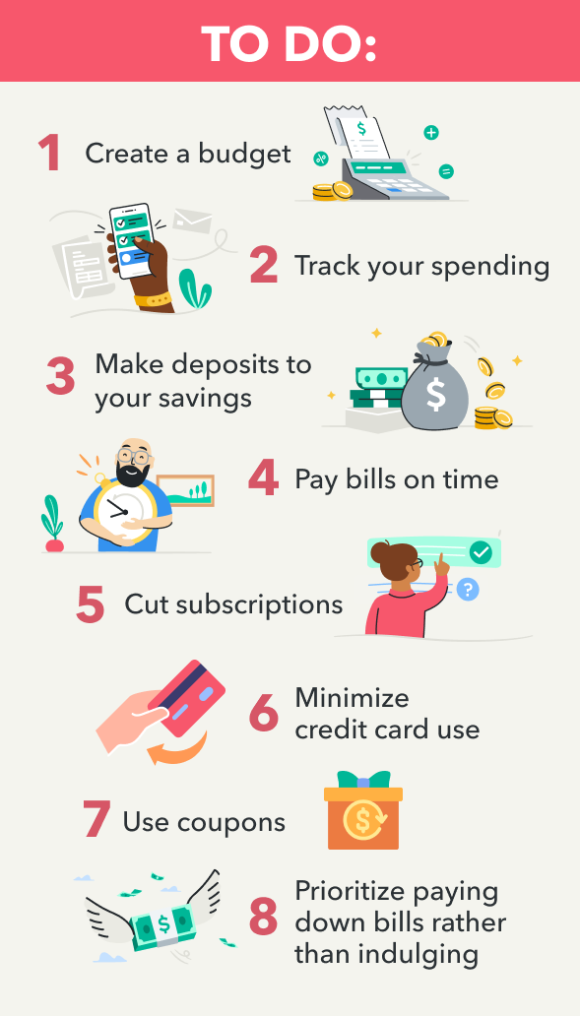
Credit: blog.turbotax.intuit.com
Boosting Income Streams
Increasing your income streams helps improve financial stability. Earning money from various sources reduces reliance on a single paycheck. It also creates opportunities to save and invest more. Expanding income can be done by exploring different ways suited to your skills and time. Below are practical ideas to boost your earnings effectively.
Exploring Side Hustles
Side hustles are small jobs you do alongside your main work. They offer extra cash and flexible hours. Examples include selling crafts, tutoring, or pet sitting. Choose something you enjoy or are good at. Side hustles also build new skills and networks. Start small and grow your side hustle gradually.
Freelance And Gig Opportunities
Freelancing lets you work independently on projects. Common freelance jobs include writing, graphic design, and web development. Gig work involves short-term tasks like delivery or ride-sharing. These options provide control over your schedule. Use online platforms to find freelance or gig jobs easily. Keep improving your skills to get better-paying gigs.
Seasonal And High-income Gigs
Seasonal work happens during busy times of the year. Examples are holiday retail jobs or summer camp counseling. These gigs pay well because of high demand. High-income gigs may include event staffing or specialized labor. They often require specific skills or certifications. Seasonal and high-income gigs can boost your earnings quickly.
Saving And Investing Smartly
Saving and investing smartly form the foundation of strong money management. Building wealth requires steady habits and wise choices. It helps protect your future and reach financial goals faster.
Small actions done consistently make a big difference over time. This section explores simple ways to save and invest with less stress and more confidence.
Automating Savings Transfers
Automating savings means setting up your bank account to move money regularly. This happens without you needing to remember each time. It creates a habit of saving and reduces the chance of spending extra cash.
You can choose to transfer a fixed amount every week or month. This keeps your savings plan steady and grows your money slowly but surely. Automation makes saving easier and more consistent for everyone.
Choosing High-yield Accounts
High-yield accounts offer better interest rates than regular savings accounts. This means your money earns more just by sitting in the account. Look for accounts with low fees and easy access to your funds.
Online banks often provide higher rates compared to traditional banks. Putting your savings in these accounts helps your money grow faster. It is a smart way to increase returns without extra risk.
Starting Small With Investments
Investing can seem hard or expensive at first. Starting with small amounts reduces risk and builds your confidence. Many platforms allow you to invest with little money upfront.
Focus on simple options like index funds or exchange-traded funds (ETFs). These spread your money across many companies, lowering risk. Over time, even small investments can grow significantly.

Credit: www.creditassociates.com
Managing Debt Effectively
Managing debt effectively is a key part of good money management. Debt can feel overwhelming and stressful. But with the right steps, it becomes manageable. Reducing debt improves your financial health and peace of mind. It also opens doors for future savings and investments.
Below are some important ways to handle debt wisely. These strategies focus on paying off what you owe faster and smarter. They also help prevent falling into more debt later.
Prioritizing Debt Payments
Start by listing all your debts with their interest rates. Pay off debts with the highest interest first. This reduces the total amount you pay over time. Always make at least the minimum payment on all debts. Missing payments can hurt your credit score. Use any extra money to pay down the top priority debt faster. This method saves money and clears debt sooner.
Consolidation And Refinancing Options
Debt consolidation merges several debts into one loan. This simplifies payments and may lower your interest rate. Refinancing means replacing an old loan with a new one at better terms. Both options can reduce monthly payments. They can also help you pay off debt faster. Check the fees and conditions before choosing these options. Make sure it truly benefits your situation.
Avoiding Future Debt Traps
Create a budget to track income and expenses. This helps prevent overspending and new debt. Build an emergency fund for unexpected costs. Avoid using credit cards for daily expenses. Pay credit card balances in full each month. Learn to say no to unnecessary purchases. Staying disciplined keeps your debt under control and your finances strong.
Tools To Simplify Money Management
Managing money can feel complex without the right tools. Simple tools help organize finances clearly. They make tracking income, expenses, and savings easier. Using technology and expert advice reduces stress and increases control. Many options exist to fit different needs and skills.
Budgeting Apps And Software
Budgeting apps offer a clear view of your money. They track income and expenses automatically. Many apps send alerts to avoid overspending. These tools help set saving goals and monitor progress. Popular choices include easy interfaces and secure connections. Using budgeting software saves time and reduces errors. These apps work well on phones and computers.
Using Financial Planners
Financial planners provide expert advice tailored to your needs. They help create realistic budgets and financial goals. A planner can suggest ways to reduce debt and increase savings. They explain complex financial topics in simple terms. Meeting a planner gives motivation and accountability. This personal touch supports long-term money management success.
Tracking Spending With Technology
Technology simplifies tracking daily spending habits. Tools link to bank accounts for automatic updates. You see where money goes each month in real time. Some apps categorize expenses for better understanding. Visual charts help spot wasteful spending quickly. Using technology for tracking makes budgeting less confusing. It encourages smarter spending decisions every day.
Maintaining Financial Health
Maintaining financial health means keeping your money in good shape. It helps you avoid stress and meet your needs. You stay prepared for unexpected costs. Your financial goals become clearer and easier to reach. Simple habits make a big difference in your money management journey.
Emergency Fund Importance
An emergency fund is money saved for surprises. This fund covers urgent costs like car repairs or medical bills. Having this money prevents debt and worry. Experts suggest saving at least three to six months of expenses. Start small and add regularly. This fund gives peace of mind and financial security.
Regular Financial Checkups
Check your finances often to stay on track. Review your budget and spending every month. Look for areas to save or cut costs. Check your debts and make extra payments if possible. Update your savings and investments as needed. These checkups help avoid money problems and improve your financial health.
Adjusting Goals Over Time
Life changes, and so should your financial goals. Review your goals yearly or after big events like a new job or family changes. Change your savings plan if your income changes. Set new goals as you reach old ones. Adjusting keeps your money plan realistic and achievable. This keeps you motivated and focused on your future.
:max_bytes(150000):strip_icc()/moneymanagement.asp-final-839e000fcc374d43ace4b4f2e9e45ab6.png)
Credit: www.investopedia.com
Conclusion
Good money management builds a strong financial foundation. Track your income and expenses carefully each month. Prioritize essentials, savings, and smart spending habits. Small changes can lead to big improvements over time. Stay consistent and review your budget regularly. This keeps your finances balanced and stress low.
Financial peace comes from simple, steady money habits. Start managing money well today for a secure tomorrow.







One Comment
Pingback: